Greenways
An extensive trail system connects neighborhoods and parks.

Wake County · Triangle · Complete city guide
Global flavors, greenways, and a fast-growing town center.
Cary is a diverse Triangle community where a revitalized downtown, international migration, technology employment, parks, and more than one hundred miles of greenway meet.
A concise orientation to Cary before you arrive.
County
Wake
Incorporated
1871
Population reference
2020 U.S. Census
Details that make Cary distinctive.
An extensive trail system connects neighborhoods and parks.
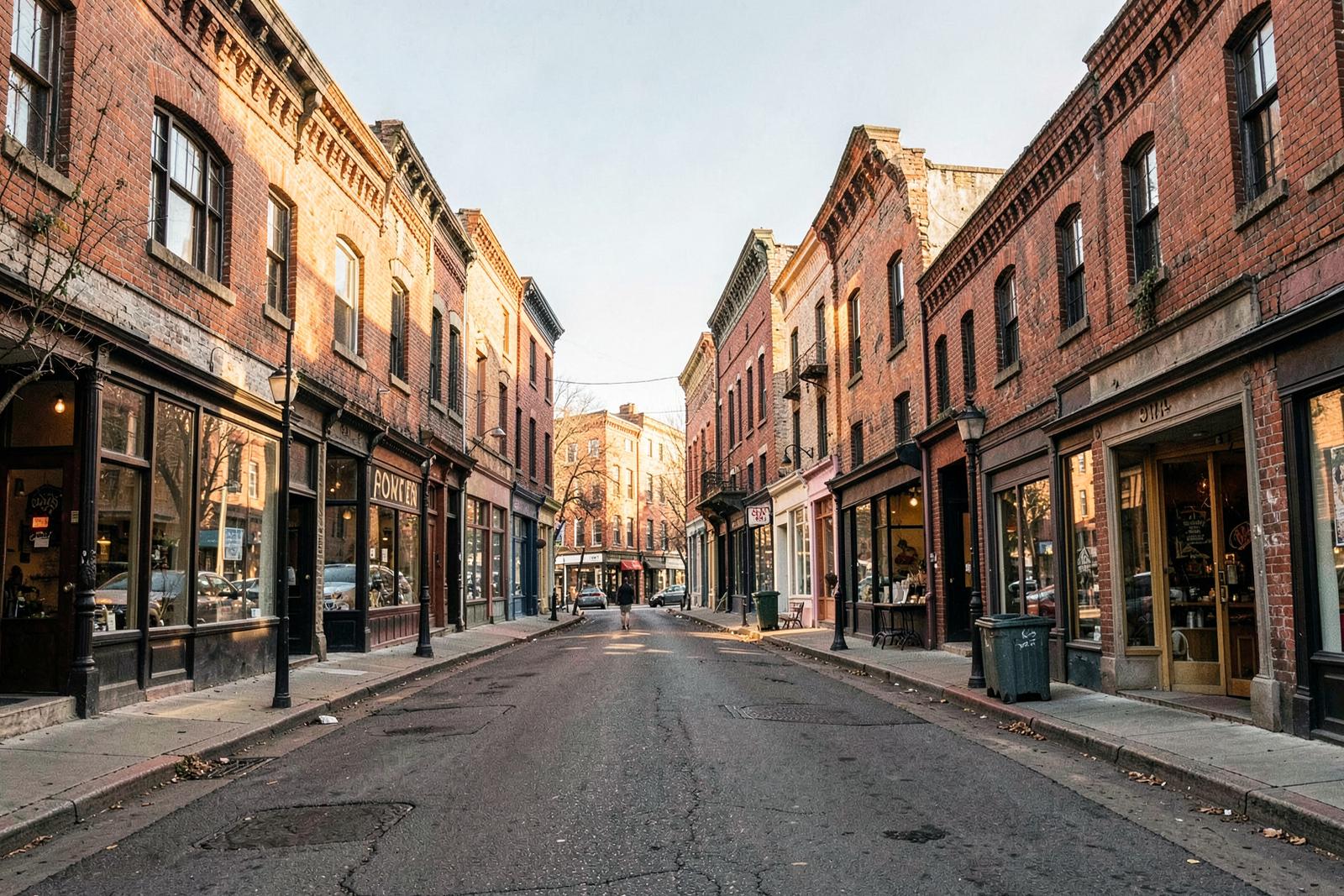
Downtown Cary Park and restored civic landmarks have reshaped the town center.
International residents influence the town’s schools, restaurants, festivals, and businesses.
The eras and industries that shaped Cary.
The wider Piedmont was home to Indigenous peoples long before European settlement; local interpretation should begin with that longer history.
The community grew around a nineteenth-century rail junction and was incorporated in 1871.
Research Triangle Park and the wider technology economy accelerated Cary’s late-twentieth-century expansion.
Institutions, neighborhoods, and movements essential to understanding Black Cary.
01Cary’s Black history is connected to rural Wake County communities, churches, schools, and migration across the Triangle.
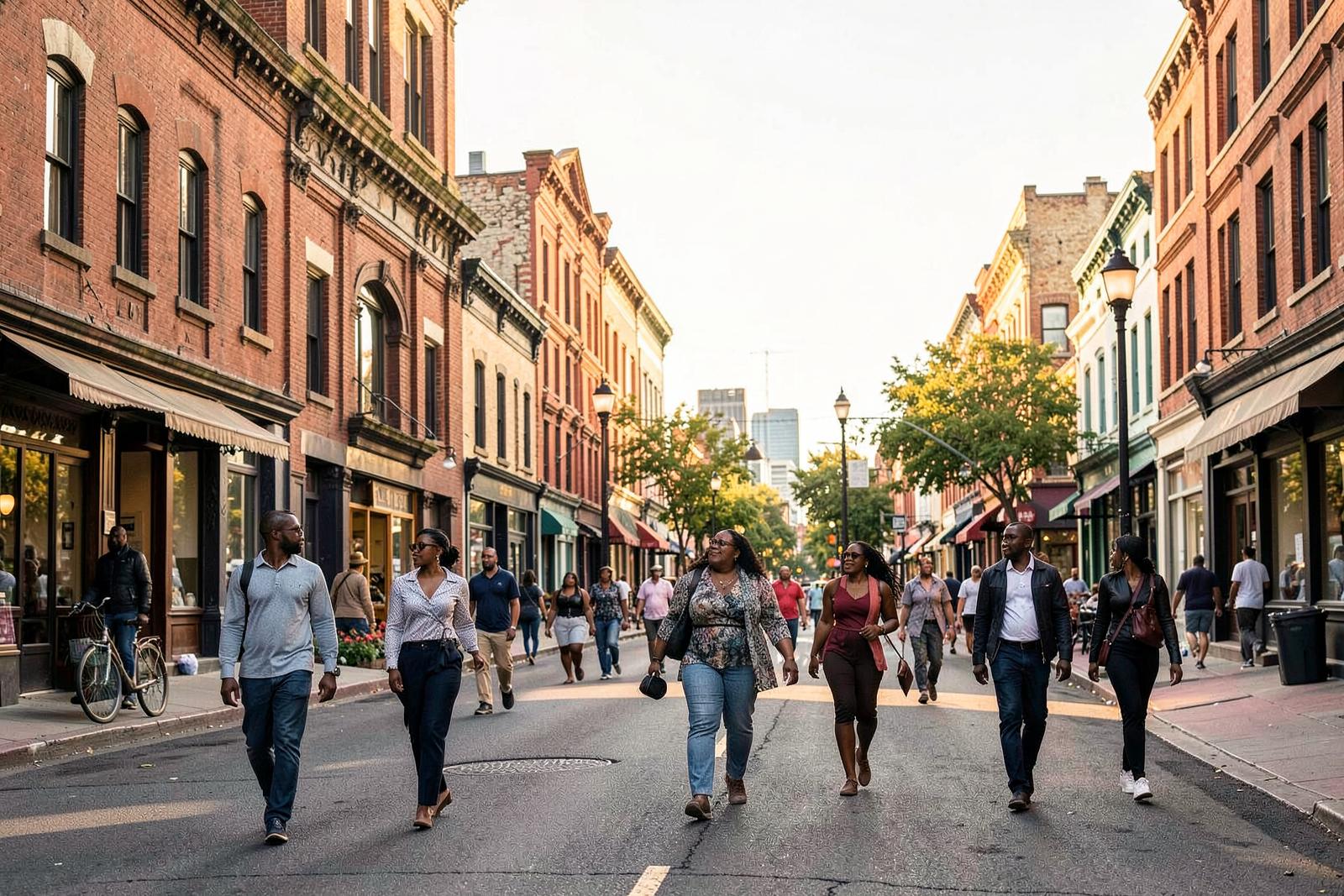
Black residents, entrepreneurs, artists, and civic groups are part of the town’s increasingly diverse identity.
The landmarks, traditions, and identities that define the city.
An extensive trail system connects neighborhoods and parks.
Downtown Cary Park and restored civic landmarks have reshaped the town center.
International residents influence the town’s schools, restaurants, festivals, and businesses.
Museums, culture, entertainment, and experiences worth planning around.
Explore a major central public park and its programmed spaces.
Visit a restored railroad hotel used for exhibitions and cultural programs.
Check the official calendar for concerts and seasonal events.
A simple morning-to-evening route through the city’s essential places.
Walk the historic center and new public spaces.
Explore a major central public park and its programmed spaces.
A repurposed historic school supports performance and visual arts.
A focused route for a first full day.
Start downtown, visit Page-Walker, lunch locally, and finish on a Bond Park trail.
Add neighborhoods, culture, and outdoor time on a second day.
Start downtown, visit Page-Walker, lunch locally, and finish on a Bond Park trail.
Use Cary as a base for Raleigh, Durham, and Chapel Hill while reserving time for its parks and dining.
Landmarks and institutions that belong on a first visit.
Walk the historic center and new public spaces.
Use trails and lakefront recreation close to central Cary.
A grounding introduction to the flavors and dining districts of Cary.
South Asian, East Asian, African, Latin American, and Middle Eastern kitchens reflect Cary’s population.
Independent cafés and restaurants cluster around the renewed town center.
Public collections, stages, and creative spaces in Cary.
Local history and rotating exhibitions occupy the historic railroad hotel.
Classes, galleries, and performances animate a restored school.
Lodging areas and practical context for an overnight visit to Cary.
Choose verified lodging near downtown for park and dining access.
Regional hotels offer access to business destinations and RDU.
Existing Drake directory records for Cary; each remains labeled until independently verified.
Verified additions to Drake’s statewide directory are being reported.
Drake Magazine will add verified interviews, photography, dates, and local recommendations after editorial review.
Universities, HBCUs, colleges, and educational history.
Cary is served by North Carolina’s largest public-school district.
NC State, NCCU, Duke, UNC-Chapel Hill, Shaw, and Saint Augustine’s are within the wider region.
Districts with distinct histories, architecture, and local character.
The historic center blends older homes, civic landmarks, and new public spaces.
Rapid growth extends toward Research Triangle Park and Chatham County.
The northwest area retains traces of its railroad and rural history.
Institutions and creative traditions that keep the city expressive.
A repurposed historic school supports performance and visual arts.
The restored downtown theater presents film, music, and community programs.
Professional, college, youth, and community sports traditions.
A major soccer and cross-country venue hosts professional and collegiate competition.
Town facilities support broad youth and adult participation.
Independent corridors, makers, markets, and major retail districts.
Small shops and markets complement the town center.
Larger shopping districts spread along major corridors.
An overview of the city’s evening rhythm, with changing venues held for verification.
Theaters and amphitheater programming shape Cary’s evening calendar.
Raleigh and Durham nightlife remain within regional reach.
Museums, parks, and experiences that work across generations.
Play spaces and events make the park a multigenerational destination.
Trails, fields, and lake activities support a full family day.
Parks, trails, waterways, and landscapes within reach of the city.
Wooded trails cross a protected natural area.
Connected paths offer long walking and cycling routes.
Authentic water access in and around Cary.
Non-motorized recreation and trails center on the lake at Bond Park.
Verified dates listed by Drake Magazine. Confirm details with the organizer before attending.
Future recaps, photo highlights, and interviews from the Drake archive.
Drake Magazine will add verified interviews, photography, dates, and local recommendations after editorial review.
Historic figures alongside clearly labeled Drake profile assignments from Cary.
The railroad agent and developer is closely associated with Cary’s incorporation.
Drake is developing verified profiles of Black civic, creative, and business leaders.
Published sample coverage and future reporting from Cary.
Local news, neighborhood stories, interviews, and cultural reporting will appear here.
Transit, arrival, weather, and logistics for a smoother visit.
A car remains useful, though downtown is increasingly walkable and regional bus service is available.
Cary sits between Raleigh, Durham, and Research Triangle Park; group plans geographically.
Right now
Loading current conditions…
Population context, climate, economy, surrounding areas, and transportation for Cary.
Population reporting: Use the latest U.S. Census Bureau release for current population and demographic percentages; 2020 is the decennial benchmark.
International growth: Cary’s population includes substantial communities with roots across Asia, Africa, Latin America, and beyond.
Housing costs are typically higher than the North Carolina average; compare current Census and regional housing data before planning a move.
Humid subtropical, with hot summers, mild winters, spring pollen, and occasional severe storms.
Technology · Life sciences · Professional services · Education · Healthcare
Raleigh · Morrisville · Apex · Research Triangle Park
Air: Raleigh-Durham International Airport is the closest major airport.
Transit: GoCary and regional connections serve selected corridors; verify current schedules.
Wake County Public School System · Triangle universities
Flexible starting points for one day, a weekend, or a return trip.
Start downtown, visit Page-Walker, lunch locally, and finish on a Bond Park trail.
Use Cary as a base for Raleigh, Durham, and Chapel Hill while reserving time for its parks and dining.
Confirm current hours, transit, admission, and seasonal conditions before leaving.
New stories, weekend plans, business openings and the things we hear before they get posted.