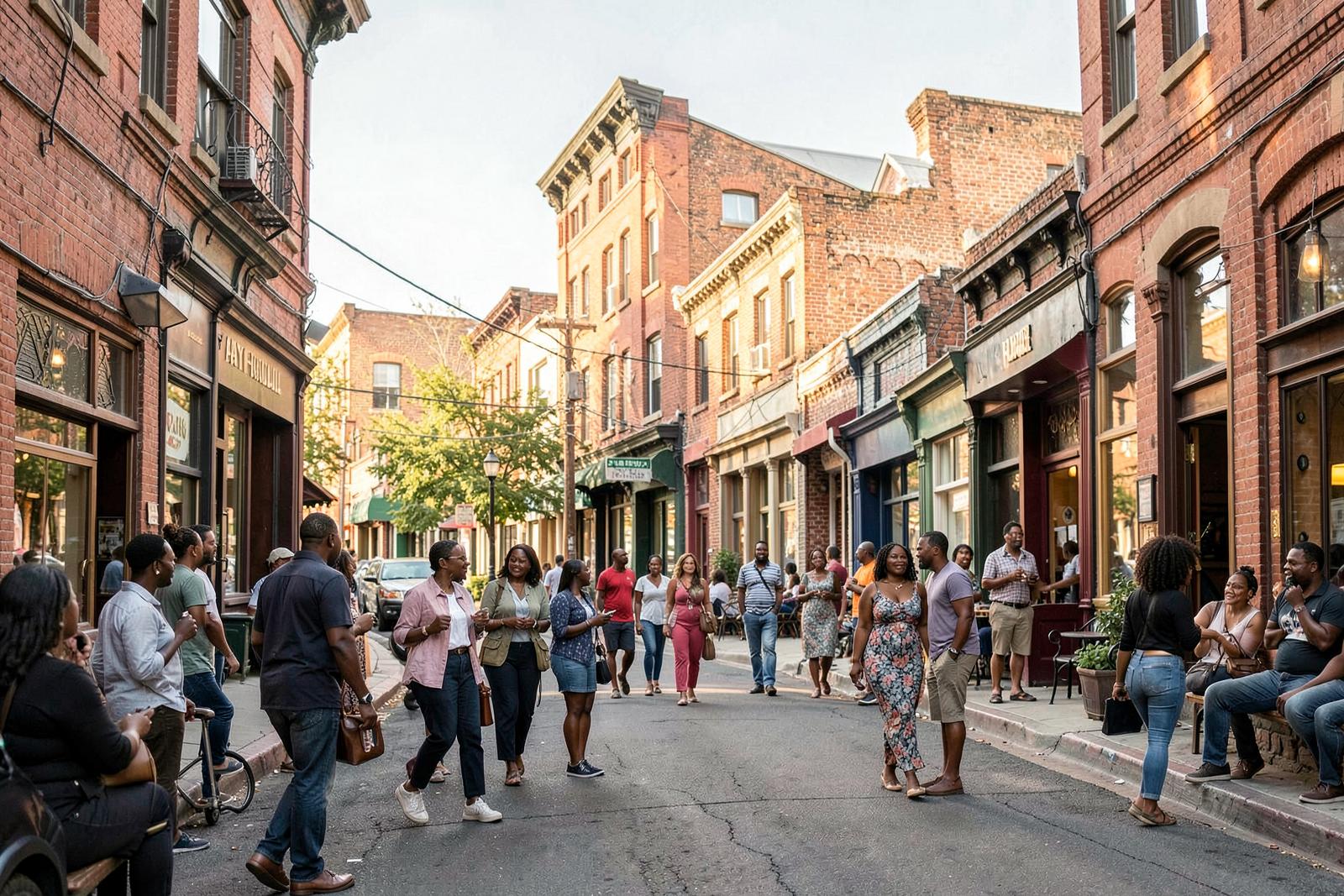
Capital city
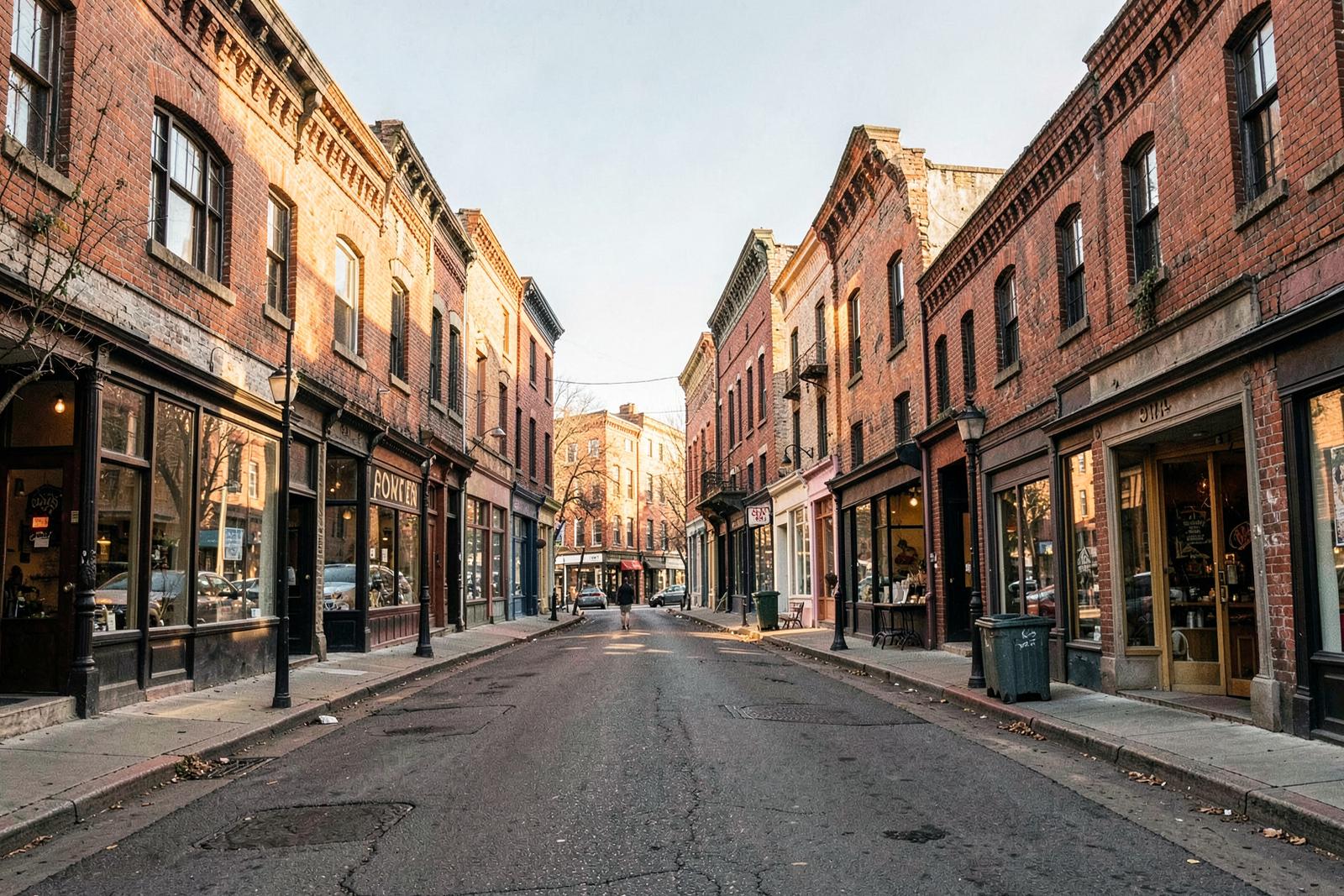
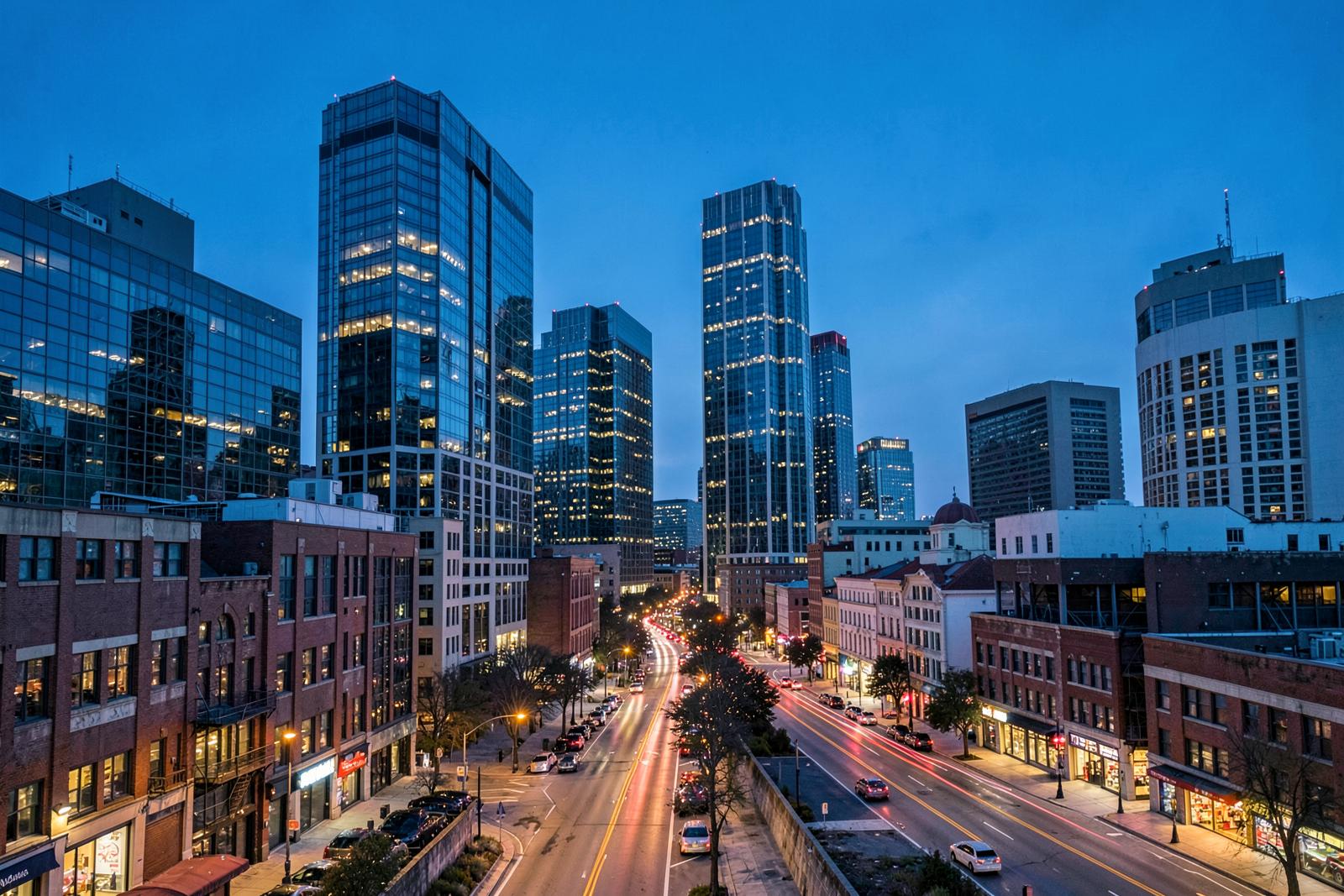
The State Capitol, museums, and government district anchor downtown.
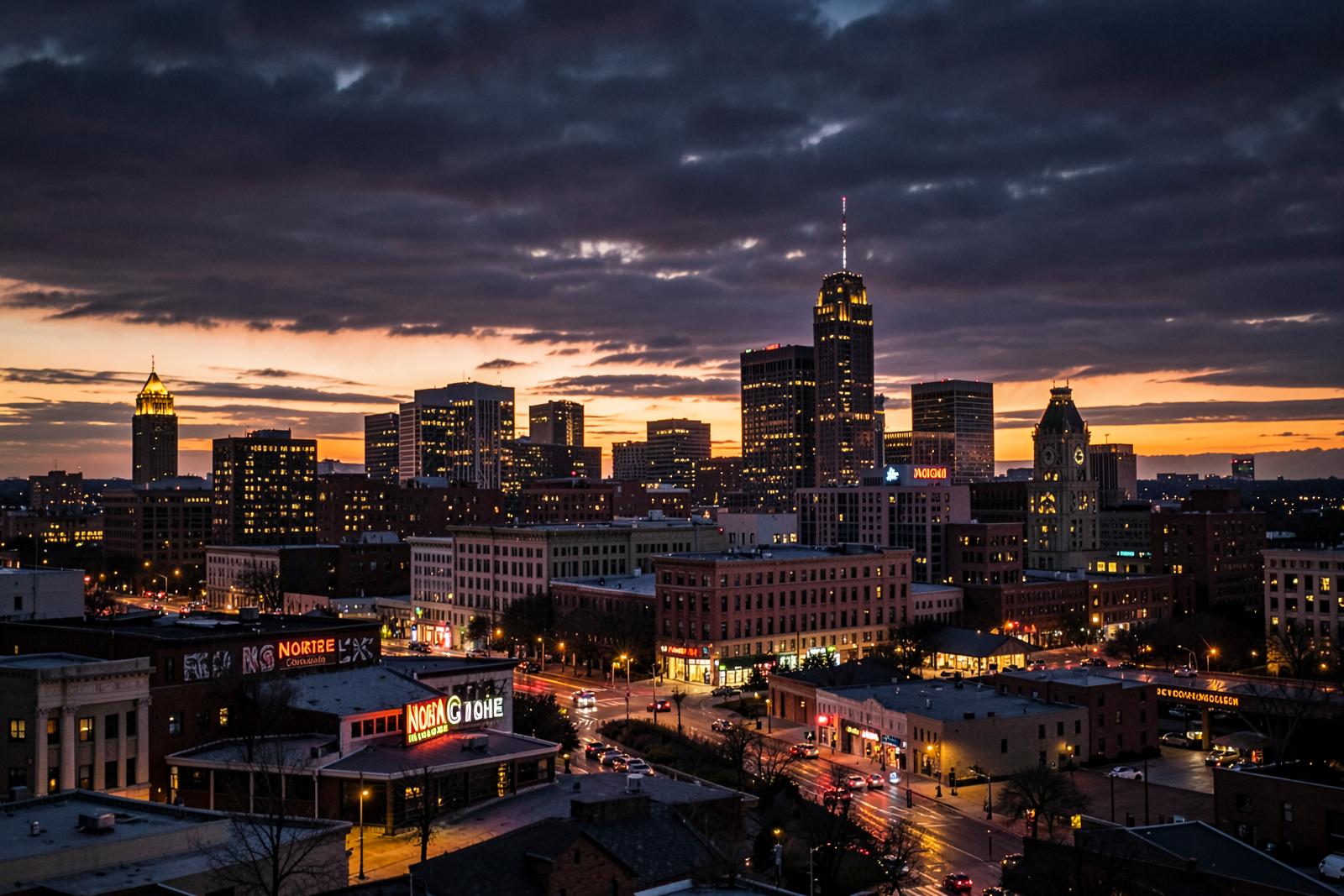
Wake County · Triangle · Complete city guide
The City of Oaks, where North Carolina history meets a fast-growing creative capital.
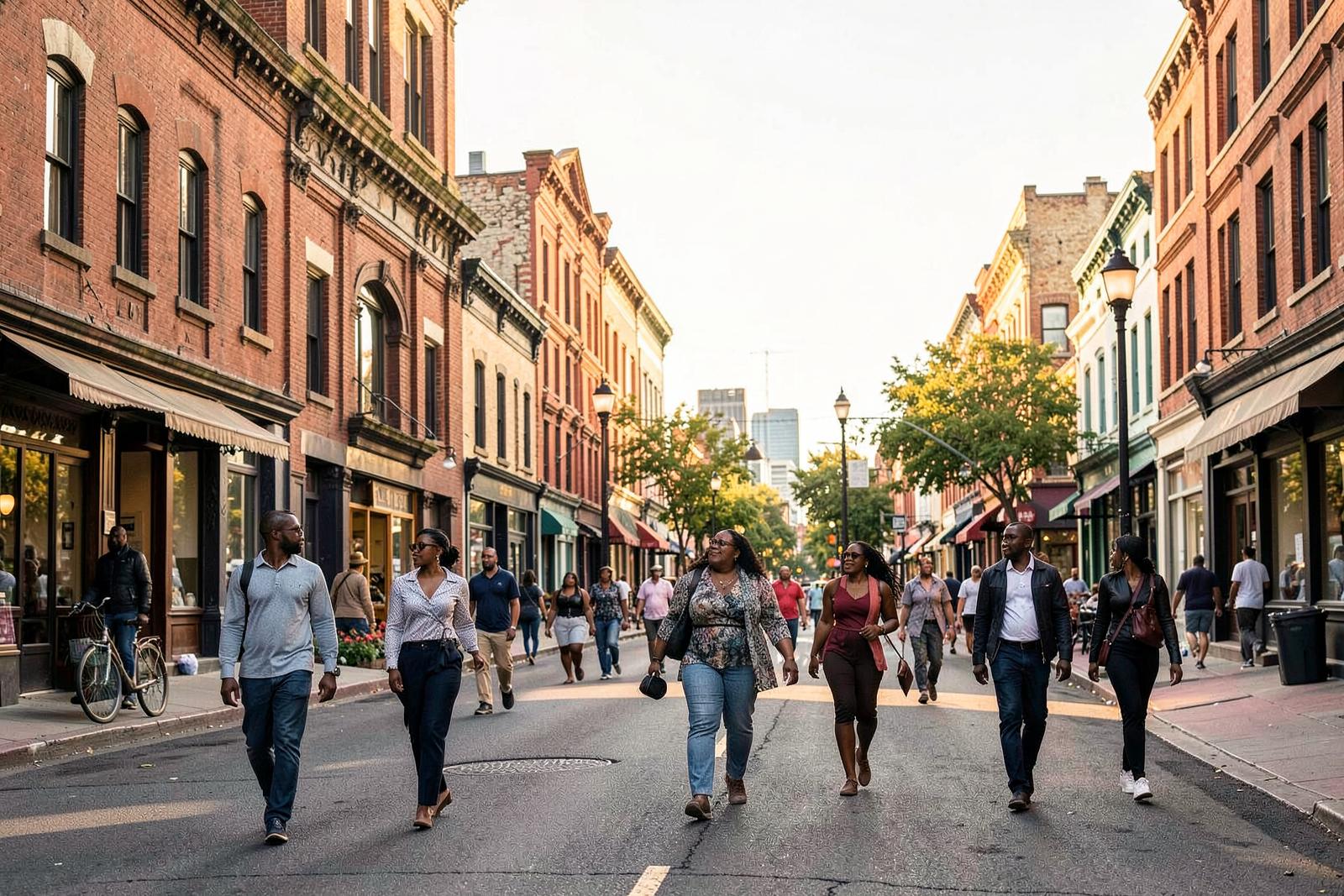
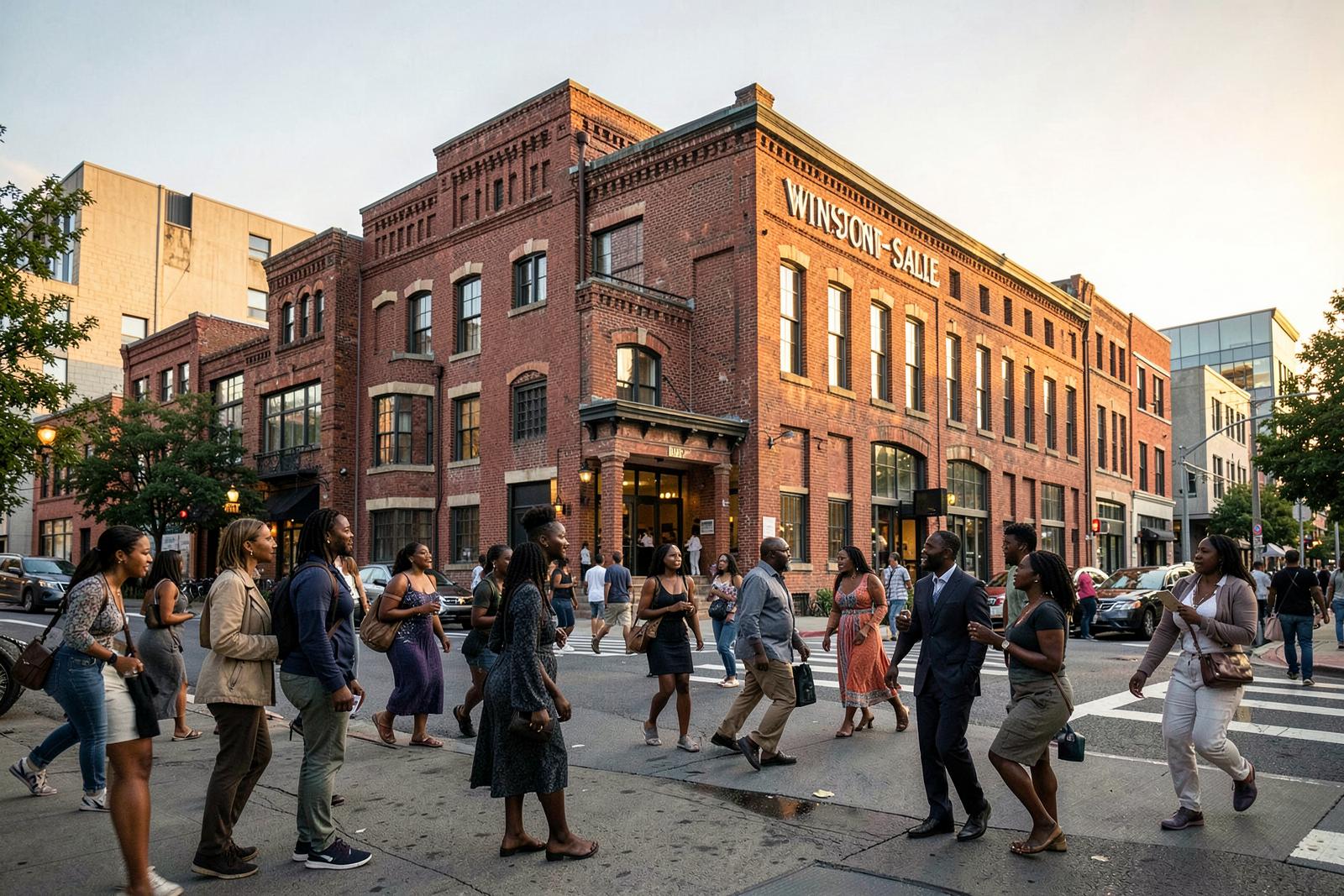
Raleigh pairs the scale and institutions of a state capital with oak-lined neighborhoods, ambitious food and arts scenes, and a Black civic legacy rooted in education, enterprise, and community building.
A concise orientation to Raleigh before you arrive.
County
Wake
Founded
1792 as the planned state capital
Region
Piedmont / Research Triangle
Details that make Raleigh distinctive.
The State Capitol, museums, and government district anchor downtown.
A deep tree canopy, greenways, and parks temper the city’s rapid growth.
Shaw, Saint Augustine’s, NC State, and nearby institutions shape the city’s rhythm.
The eras and industries that shaped Raleigh.
Raleigh was selected as North Carolina’s permanent capital in 1792 and built around Union Square, now home to the State Capitol.
Government, higher education, research, and technology have successively shaped the city’s growth while older neighborhoods preserve earlier chapters.
Institutions, neighborhoods, and movements essential to understanding Black Raleigh.
01Founded in 1865, Shaw is among the nation’s earliest HBCUs; Estey Hall was built for the higher education of Black women.
Saint Augustine’s University and its historic campus reflect Raleigh’s long role in Black education and civic leadership.
Historic neighborhoods southeast of downtown hold generations of Black institutions, churches, homes, and community memory.
The landmarks, traditions, and identities that define the city.
The State Capitol, museums, and government district anchor downtown.
A deep tree canopy, greenways, and parks temper the city’s rapid growth.
Shaw, Saint Augustine’s, NC State, and nearby institutions shape the city’s rhythm.
Museums, culture, entertainment, and experiences worth planning around.
Explore galleries, an outdoor art park, and trails west of downtown.
The North Carolina museums of History and Natural Sciences anchor the downtown cultural campus.
The former hospital grounds are now a broad public landscape with skyline views.
A simple morning-to-evening route through the city’s essential places.
Walk a foundational HBCU campus and view Estey Hall’s landmark architecture.
Explore galleries, an outdoor art park, and trails west of downtown.
Statewide collections meet large-scale outdoor installations.
A focused route for a first full day.
Begin at Shaw, visit the state museums, lunch downtown, then finish at Dix Park near sunset.
Add neighborhoods, culture, and outdoor time on a second day.
Begin at Shaw, visit the state museums, lunch downtown, then finish at Dix Park near sunset.
Pair African American landmark tours with the art museum, neighborhood dining, and a ticketed performance.
Landmarks and institutions that belong on a first visit.
Walk a foundational HBCU campus and view Estey Hall’s landmark architecture.
Read the city’s planned center through its oldest civic landmark.
Explore one of downtown Raleigh’s most recognizable public spaces.
A grounding introduction to the flavors and dining districts of Raleigh.
Raleigh sits within reach of the whole-hog, vinegar-forward tradition.
A Black-owned Raleigh kitchen serving soul food with Caribbean influence.
A Black-owned roaster operates a café inside the Videri Chocolate Factory in the Warehouse District.
The state-run market on Lake Wheeler Road sells North Carolina produce, seafood, and prepared food year-round.
Downtown and warehouse-district gathering spaces bring many local kitchens together.
Person Street, downtown, and Southeast Raleigh offer distinct dining clusters.
Public collections, stages, and creative spaces in Raleigh.
Free general admission plus a 164-acre park with trails and outdoor art west of downtown.
State history galleries sit on the downtown government campus.
The Southeast’s largest natural-sciences museum, free to enter, faces Bicentennial Plaza.
CAM presents rotating contemporary exhibitions in the Warehouse District.
Hands-on galleries and an IMAX theater anchor the children’s museum downtown.
Lodging areas and practical context for an overnight visit to Raleigh.
A full-service downtown hotel attached to the Raleigh Convention Center.
Fayetteville Street and Glenwood South put dining, museums, and venues within walking distance.
Hotels near RDU and North Hills suit travelers driving between Raleigh and Durham.
Existing Drake directory records for Raleigh; each remains labeled until independently verified.
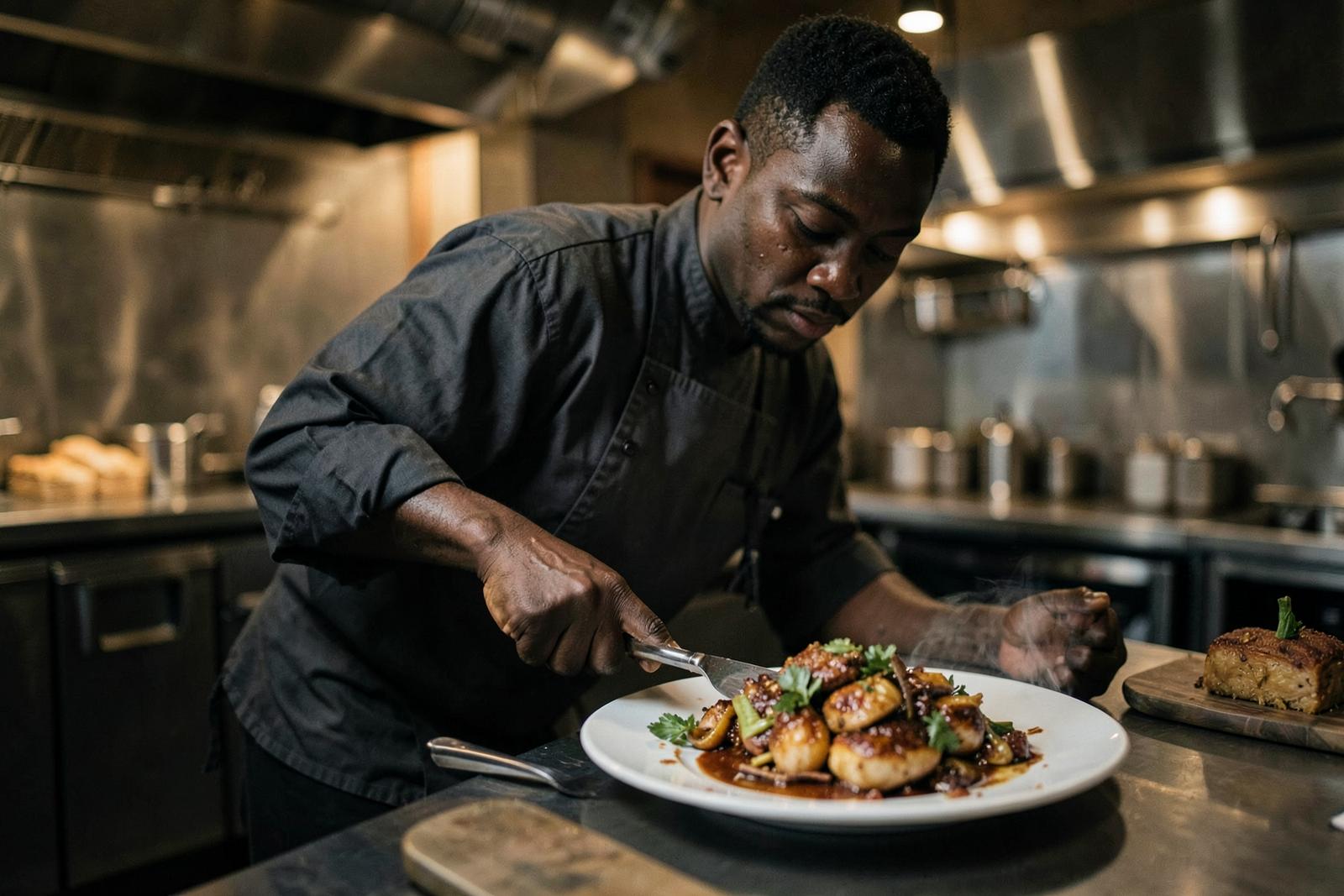 Restaurant
Wood-fired Southern cooking from a chef who trained in New Orleans and came home to build.
Drake Magazine sample record — verify before publication
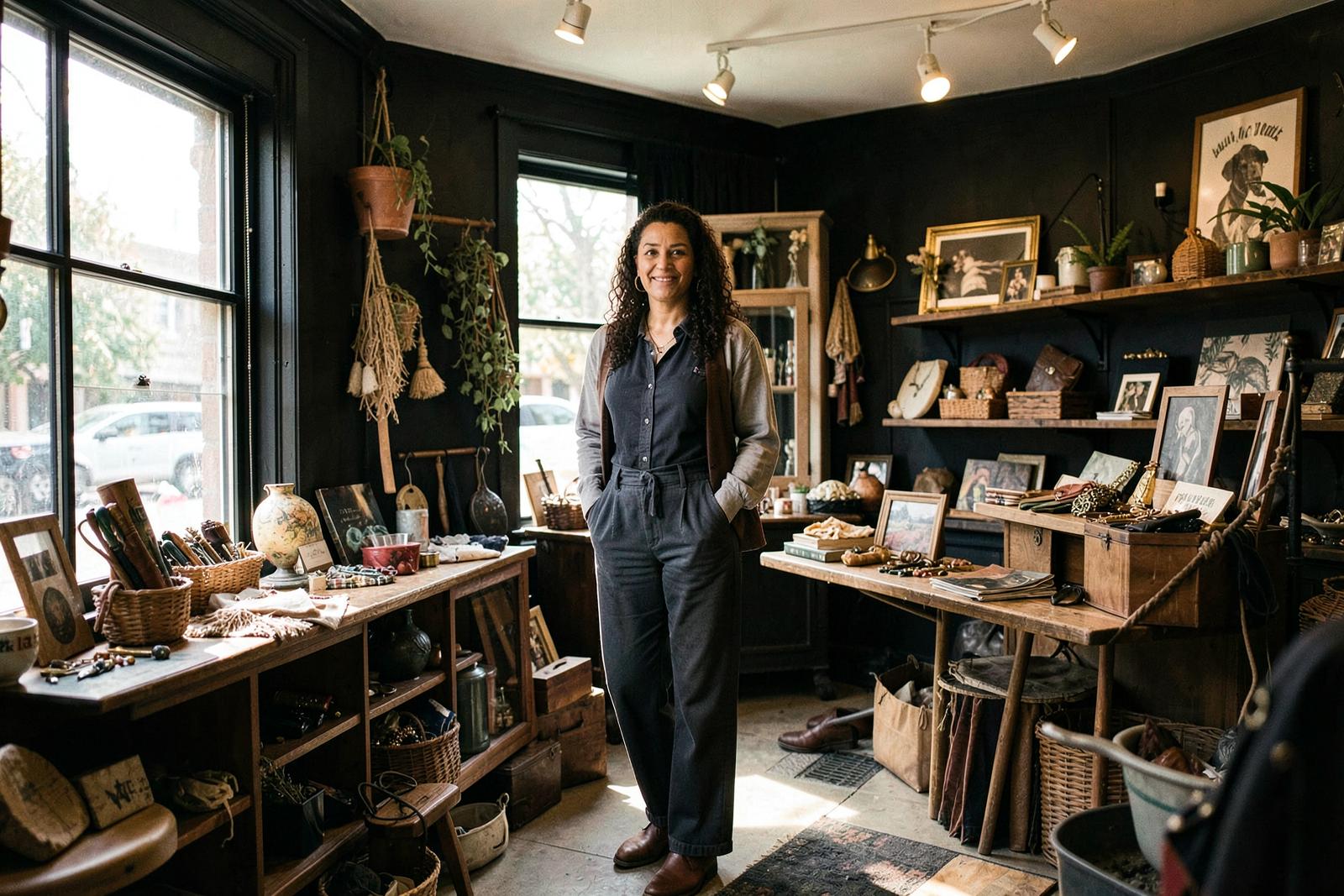 Coffee
Single-origin pours, sweet potato lattes and the best corner table in the neighborhood.
Drake Magazine sample record — verify before publication
 Bar & Lounge
Low light, high-end cocktails and a Thursday residency that fills up by ten.
Drake Magazine sample record — verify before publication
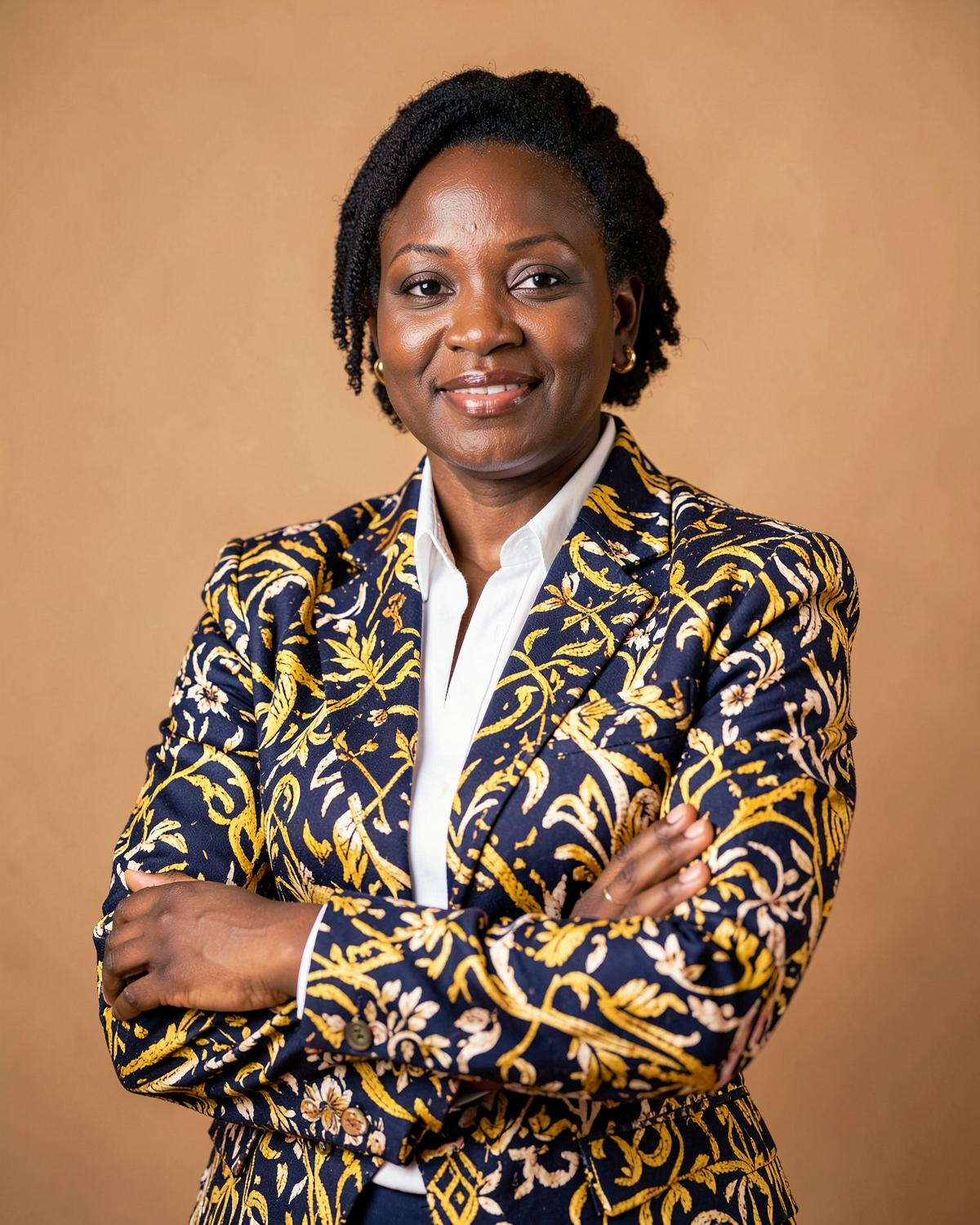 Professional Services
Small-business and estate practice built for first-generation owners.
Drake Magazine sample record — verify before publication
 Beauty
Facials formulated for melanin-rich skin, plus a small-batch product line.
Drake Magazine sample record — verify before publication
Universities, HBCUs, colleges, and educational history.
A historic private HBCU founded in Raleigh in 1865.
A historically Black institution founded during Reconstruction.
A major public research university with deep ties to the city’s growth.
Districts with distinct histories, architecture, and local character.
A historic Black neighborhood immediately southeast of downtown.
A preserved district known for late-19th-century architecture.
A former industrial area now associated with galleries, restaurants, and adaptive reuse.
A collection of early streetcar-era neighborhoods north of downtown.
Institutions and creative traditions that keep the city expressive.
Statewide collections meet large-scale outdoor installations.
CAM connects contemporary exhibitions with the Warehouse District.
Memorial Auditorium and downtown stages support theater, dance, and music.
Professional, college, youth, and community sports traditions.
The NHL club plays at Lenovo Center west of downtown.
College athletics are a major part of Raleigh’s sports identity.
Greenways, recreation leagues, and youth programs keep sport close to neighborhood life.
Independent corridors, makers, markets, and major retail districts.
Downtown’s historic “Black Main Street” still holds Black-owned retail and service businesses.
A long-established open-air district near NC State.
Independent shops and markets cluster around downtown and nearby neighborhoods.
A major year-round destination for North Carolina produce and specialty foods.
An overview of the city’s evening rhythm, with changing venues held for verification.
A downtown Fayetteville Street live-music room hosting touring and regional acts.
A large concert venue east of downtown programmed by Live Nation.
The arena west of downtown hosts arena-scale tours alongside Hurricanes and NC State games.
Fayetteville Street, Glenwood South, and the Warehouse District offer different evening rhythms.
Museums, parks, and experiences that work across generations.
A downtown children’s museum centered on hands-on play.
Free exhibits make it an easy multigenerational stop.
Rides, playgrounds, and shaded paths suit a slower family afternoon.
Parks, trails, waterways, and landscapes within reach of the city.
A long paved corridor for cycling and walking along the river.
Open lawns and city views close to downtown.
Forested trails and lakes sit between Raleigh and Durham.
Verified dates listed by Drake Magazine. Confirm details with the organizer before attending.
Future recaps, photo highlights, and interviews from the Drake archive.
Drake Magazine will add verified interviews, photography, dates, and local recommendations after editorial review.
Historic figures alongside clearly labeled Drake profile assignments from Raleigh.
The Shaw alumna, educator, and author became a foundational voice in Black feminist thought.
The civil-rights organizer graduated from Shaw University and helped shape movement strategy nationally.
A Raleigh-born educator who founded the institution that became North Carolina Central University.
Has helped more than 200 owners secure their first commercial lease.
Drake Magazine sample record — verify before publication
Came home from New Orleans to build a wood-fired Southern kitchen on his own block.
Drake Magazine sample record — verify before publication
Shaw graduate whose live band arrangements sell out three-hundred-cap rooms.
Drake Magazine sample record — verify before publication
Published sample coverage and future reporting from Raleigh.

Inside the new Black creative economy reshaping the City of Oaks — one storefront, studio and supper club at a time.
Imani Whitfield · September 4, 2026 · 12 min
Drake Magazine sample record — verify before publication
A field guide to the capital's late-night rooms, from vinyl bars to warehouse sets.
Devon Pratt · August 9, 2026 · 6 min
Drake Magazine sample record — verify before publication
Transit, arrival, weather, and logistics for a smoother visit.
Raleigh-Durham International Airport serves the region between Raleigh and Durham.
Downtown is walkable in sections, while a car is useful for museums, parks, and outlying neighborhoods.
Spring and fall are mild; summers are hot and humid, and pollen can be intense.
Right now
Loading current conditions…
Population context, climate, economy, surrounding areas, and transportation for Raleigh.
Use the latest U.S. Census Bureau release; 2020 is the decennial benchmark.
Compare current housing, transportation, and household data before relocating.
Humid subtropical: hot, humid summers, mild winters, heavy spring pollen, and occasional summer thunderstorms.
State government · Technology · Life sciences · Higher education · Healthcare
Cary · Durham · Garner · Wake Forest · Research Triangle Park
Air: Raleigh-Durham International Airport sits between Raleigh and Durham; GoTriangle Route 100 links it to downtown.
Train: Raleigh Union Station serves Amtrak’s Piedmont and Carolinian routes in the Warehouse District.
Bus: GoRaleigh operates local service from Moore Square Station; GoTriangle connects Durham, Cary, and Chapel Hill.
Driving: I-40, I-440, and I-540 ring the city; downtown parking decks are the simplest option on event nights.
Shaw University · Saint Augustine’s University · NC State University
Flexible starting points for one day, a weekend, or a return trip.
Begin at Shaw, visit the state museums, lunch downtown, then finish at Dix Park near sunset.
Pair African American landmark tours with the art museum, neighborhood dining, and a ticketed performance.
Combine the natural sciences museum, Pullen Park, and a greenway walk.
Confirm current hours, transit, admission, and seasonal conditions before leaving.
New stories, weekend plans, business openings and the things we hear before they get posted.